Cost and Value Over Time
Metal roofing typically costs much more at the start of the project than some traditional materials. The price can change a lot depending on the type you choose, the thickness of the metal, and the finish on top. A simple roof shape is usually cheaper to cover than a roof with many valleys, dormers, or skylights, because it takes more time and skill to fit.
Labour is a big part of the total cost. Metal roofing needs careful measuring, cutting, and fixing, and mistakes can lead to leaks or early wear. A skilled installer may charge more, but good workmanship can protect your home and help the roof last as long as it should.
A well-fitted metal roof can last for decades, which may limit how frequently you may need a full replacement. If you plan to stay in your house for a long time, the higher upfront spend may feel more worthwhile because you might end up avoiding having to pay for another roof later.
It can also eliminate some of the ongoing costs, but this depends on your home. If your roof finish reflects heat and your loft is well insulated, you may notice better comfort in summer and less heat build-up upstairs. However, savings on energy bills vary, so it helps to see metal roofing as one part of a bigger plan that includes insulation, ventilation, and draught control.
Weather Performance in the UK
The UK has a mix of wind, rain, frost, and sudden temperature changes, and sometimes all of these can occur in the same week. Metal roofing can handle this well because it sheds water quickly and does not absorb moisture like some other materials. This can lower the chance of cracking from freeze and thaw cycles, which can affect roofs that hold water.
Wind is a major factor in many parts of the UK, especially in coastal and exposed areas. A properly designed metal roof system can be very wind resistant, but it relies on the right fixings and careful work at the edges. Weak points are often around ridges, eaves, and any areas where different materials meet, so these details need to be done well.
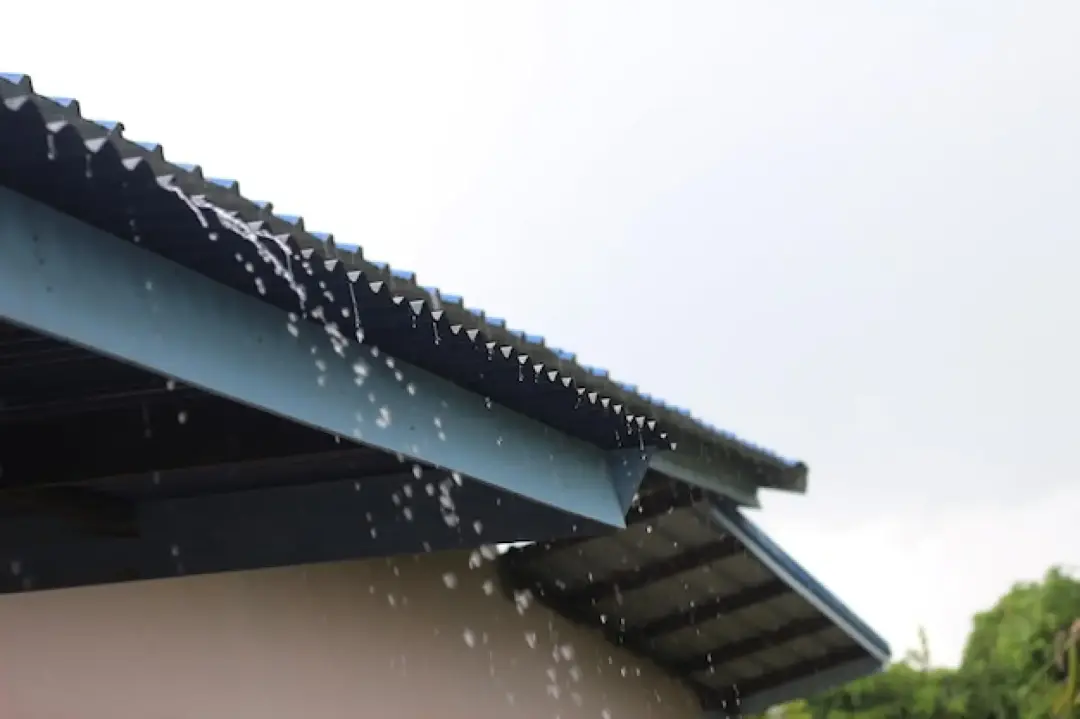
As long as your drainage system is planned out thoroughly, metal roofing will perform well during rain showers. Smooth panels are best for helping water run off, but be wary of heavy downpours, as these can still cause problems if gutters overflow or valleys get blocked by leaves. Frequent clearing and checks matter because water always follows the easiest path, and small blockages can lead to bigger issues.
Corrosion is one of the factors worth taking into consideration if you live or own a building in the UK, particularly if your property is close to the sea. Salt in the air can speed up wear if the wrong metal or coating is used. Choosing a suitable material and finish for your location, and keeping the roof clean of debris that holds moisture, can help protect the surface over time.
Noise Levels and Comfort
Many people worry that a metal roof will be loud, especially during heavy rain. The truth is that noise depends on what sits under the roof and how it is built. A well-insulated roof with a solid deck beneath the metal will usually sound much quieter than a basic structure with little insulation.
Comfort is about more than just the lack of noise. In summer, some metal roofs can reduce heat gain when they have reflective finishes, but the overall feel inside your home depends on loft insulation and ventilation. Without the right balance, any roof type can lead to rooms that feel too warm or too cold at different times of the year.
The shape of your roof can affect sound as well. Large, open roof spans may carry vibration more than smaller, broken-up areas. Features like dormers and valleys change the way rain hits the surface, and this can change the sound you hear inside.
If sound matters to you, the best approach is to focus on the whole roof system rather than the outer material alone. Good insulation, a proper underlay, and correct fixing methods can limit the amount of vibration and help keep your bedrooms and living spaces more peaceful during bad weather.
Insulation and Energy Savings
Metal roofing itself is not insulation. The metal layer is thin and does not stop heat loss on its own, so your home still needs proper loft or roof insulation. If your house already has good insulation, switching to metal roofing is unlikely to harm comfort, and may improve it when paired with the right design.
Energy savings can come from reducing unwanted heat gain in warmer months. Some metal finishes tend to reflect the sunlight, and this can help keep your loft spaces much cooler. This can be useful in rooms built into the roof, where summer heat can build up quickly, especially on south-facing slopes.
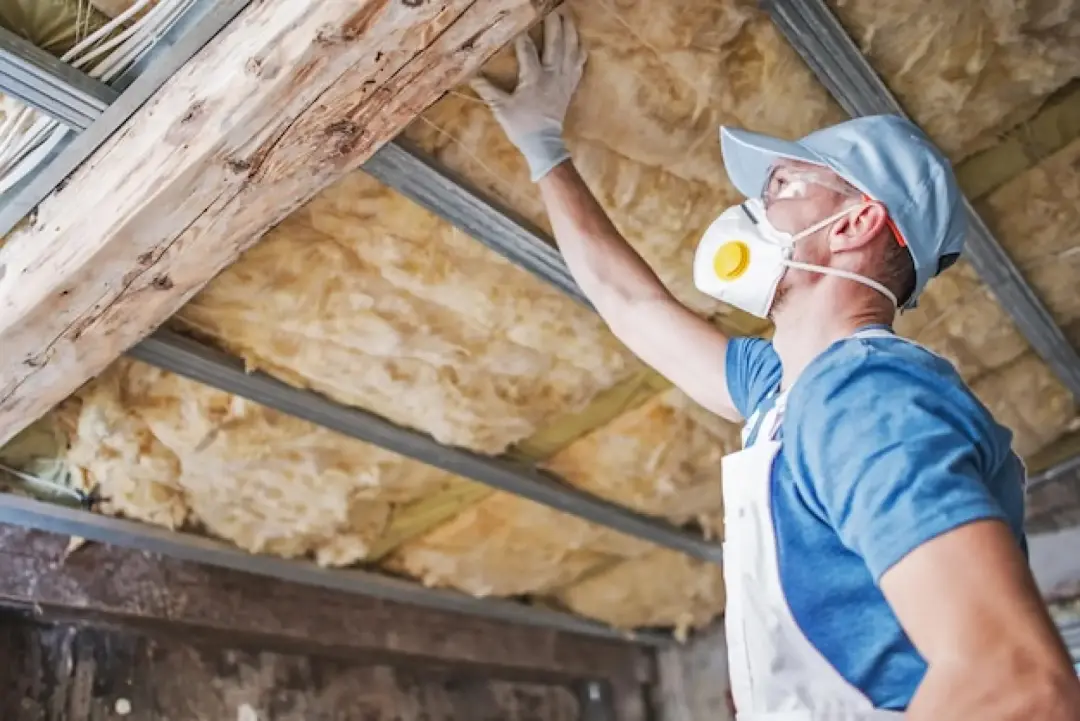
In winter, the biggest gains come from stopping heat escaping through the roof. That means focusing on insulation depth, gaps around loft hatches, and the quality of the vapour control layer where needed. A metal roof can still support strong winter performance, but only when the layers beneath are planned properly.
Ventilation matters just as much as insulation. If warm, moist air from your home or property gets into the roof space and cannot escape, it can cause lots of condensation.
A roof that manages airflow well can protect timbers and keep insulation working as it should, helping your home stay comfortable and eliminating the risk of damp problems.
Appearance and Colour Options
Metal roofing is not a single look. It can be sleek and modern with clean lines, or it can copy the shape of tiles or slate for a more traditional finish. This means you’re able to choose a style that suits your house without making it stand out in a way you do not want.
Colour choice can be a big advantage. Many metal roofs come in a wide range of shades, including soft neutral tones as well as darker colours. The finish can be matte, satin, or more glossy, and each one changes how the roof looks in different light, especially on bright days.
It is still important to think about how it fits with your local area. Some streets have a clear look, and a roof that feels too different may not suit the setting. If you live in a conservation area or have special rules for your property, you may need to check what is allowed before you commit to a specific material or colour.
Ageing is another major part of the overall appearance. Over time, you may notice that sunlight and harsh weather will fade some finishes, and scratches can show much more clearly on certain colours. Choosing a quality coating and picking a shade that hides marks well can help the roof look good for longer and reduce worry about small signs of wear.
Contact our metal roofing installers for residential, commercial, and industrial buildings. Our services include new installations, repairs, and bespoke systems using high-quality aluminium, steel, and composite materials.
Related Articles

Blog post 444444