Introduction
Why Choose Zinc for Your Roof?
Zinc roofing represents the pinnacle of architectural metal roofing in the UK. Renowned for its distinctive aesthetic appeal and exceptional longevity, zinc has been a preferred choice for prestigious buildings across Europe for over 150 years. Its natural self-healing patina and remarkable 100+ year lifespan make it one of the most sustainable roofing materials available.
Whether you're working on a contemporary new build, a period property restoration, or a modern extension, zinc roofing delivers unparalleled performance in the British climate while developing a beautiful, protective patina that evolves over time.
Key Benefits
Advantages of Zinc Roofing
100+ Year Lifespan
Titanium zinc roofing can last well over a century with minimal maintenance, making it one of the longest-lasting roofing materials available
Self-Healing Patina
Develops a protective zinc carbonate layer that self-heals minor scratches and protects against corrosion throughout its lifetime
Fully Sustainable
100% recyclable with no loss of quality. Zinc is a naturally occurring element that requires minimal processing compared to other metals
Beautiful Aesthetics
Distinctive blue-grey patina develops naturally over 2-5 years, creating a unique and sophisticated appearance that ages gracefully
System Types
Zinc Roofing & Cladding Systems
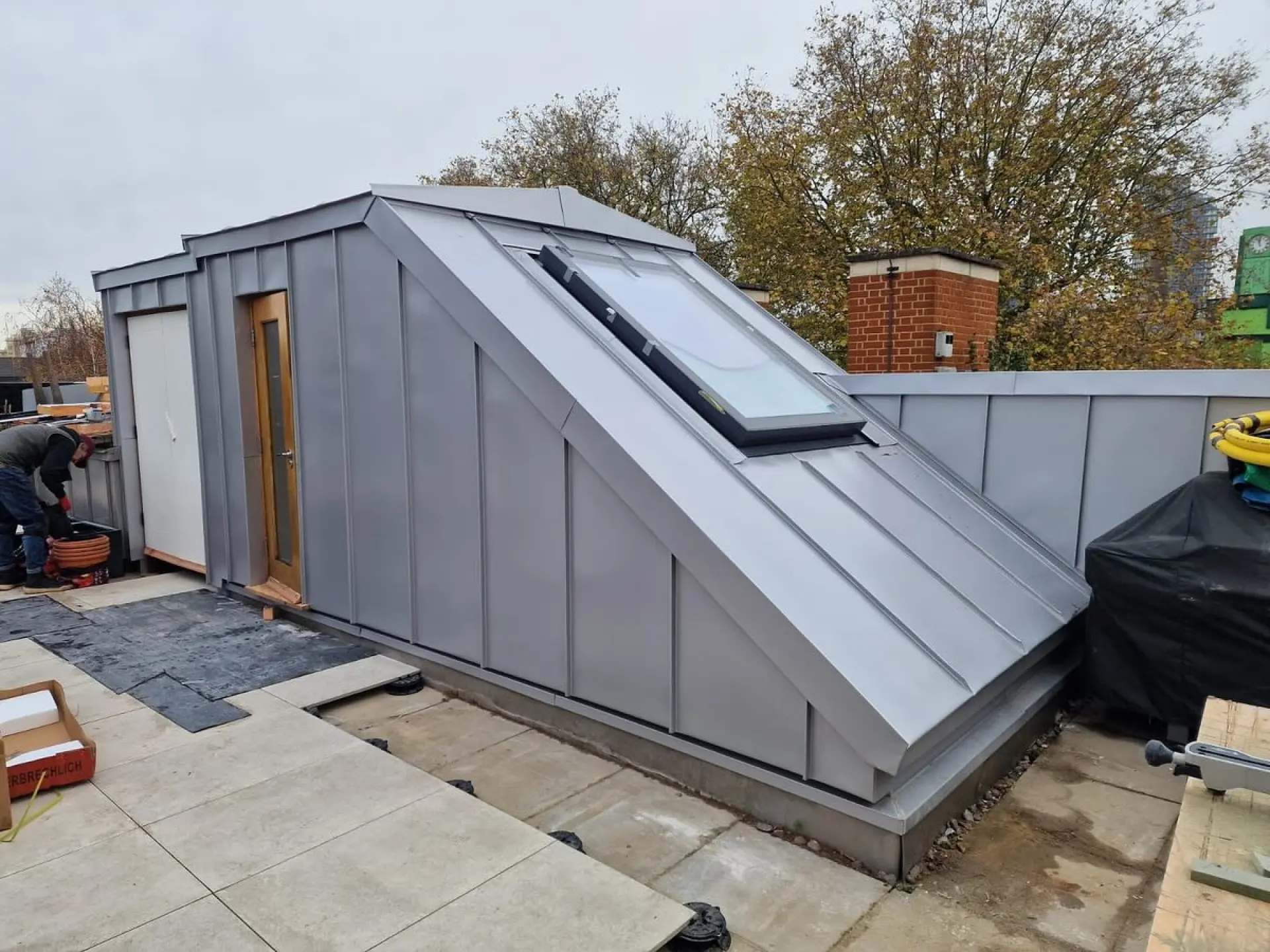
Standing Seam
The most common zinc roofing system. Raised seams run vertically allowing thermal movement while providing complete weatherproofing.
- Mechanically formed seams allow movement without exposed fixings
- Suitable for pitches 3° and above
- No exposed fixings
- Available in various seam heights
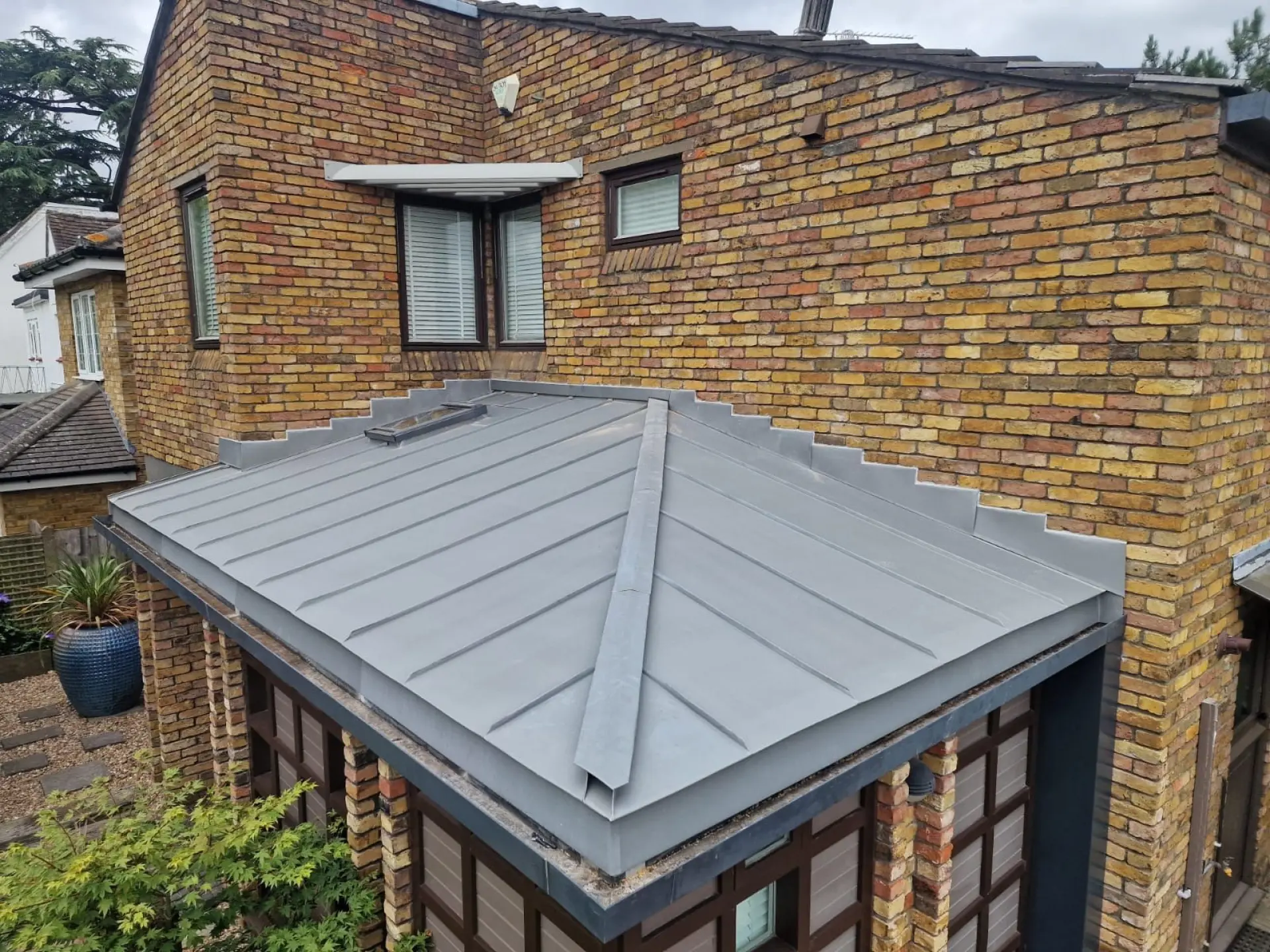
Batten Roll System
Traditional method featuring wood battens capped with zinc. Creates distinctive raised rolls ideal for heritage projects.
- Traditional appearance
- Ideal for listed buildings
- Curved applications possible
- Conservation area approved
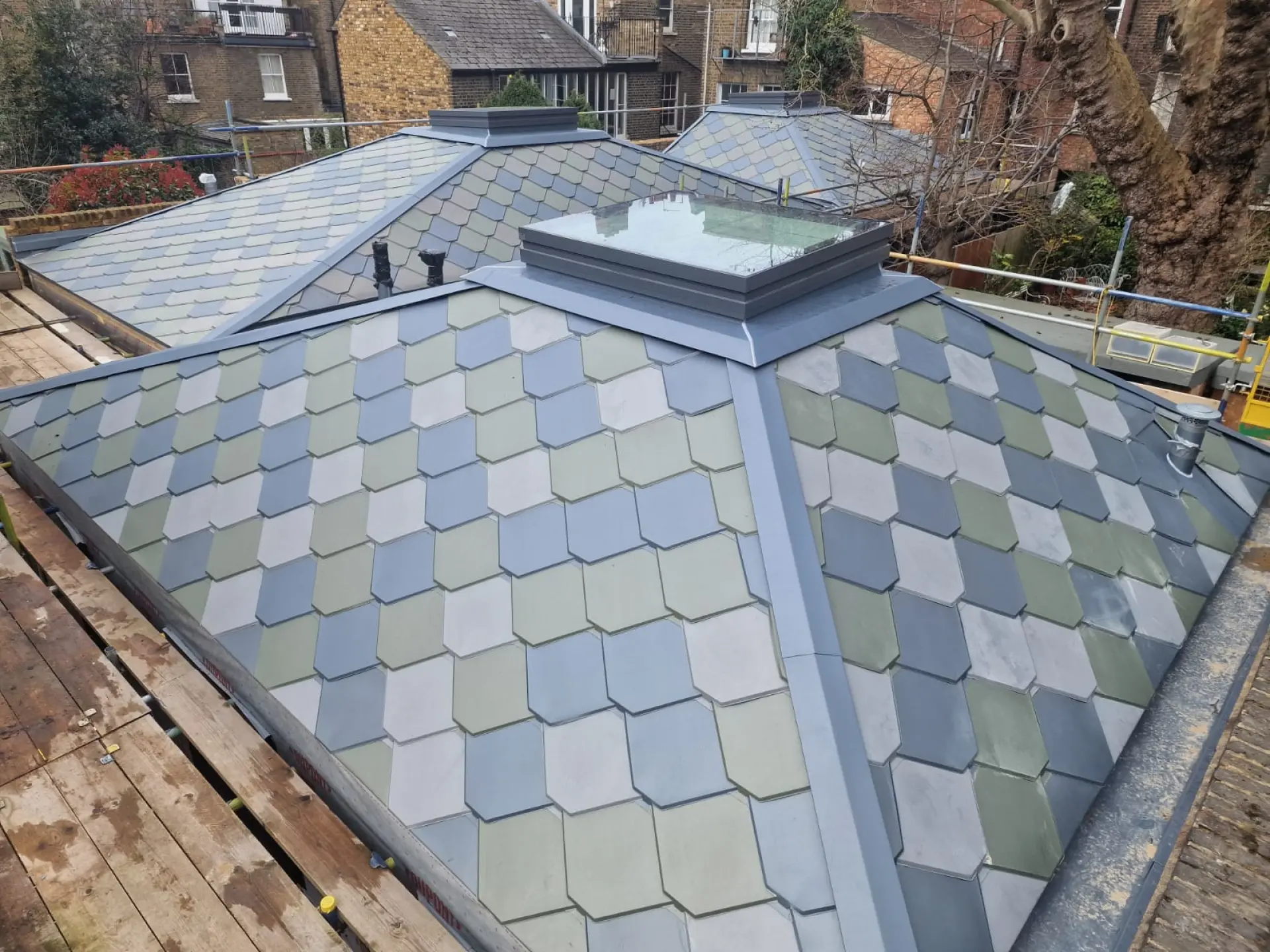
Flat Lock Panels
Interlocking rectangular panels create a geometric pattern. Perfect for facades, feature walls, and complex roof geometries.
- Contemporary aesthetic
- Suitable for complex shapes
- Wall and roof applications
- Various panel sizes available
Premium Products
Leading Zinc Manufacturers
Every zinc package is sourced from trusted European suppliers and installed with the same neat finish showcased across 10th.uk.
VM Zinc
Signature QUARTZ-ZINC, ANTHRA-ZINC and PIGMENTO finishes for contemporary builds.
- Heritage approvedStanding seam and batten roll details
- Factory warrantiesBacked by our site craftsmanship
ElZinc
Titanium zinc coils in natural, slate and bespoke tones ideal for façades and cladding.
- Hand-finishedSeams with no exposed fasteners
- Lightweight panels for complex shapes
Traditional Welted Zinc
On-site fabrication ensures every joint is welted, soldered and perfectly aligned.
- Hidden fixingsTo maintain crisp sight lines
- Custom trimsFormed by our installation team
Installation Process
Professional Zinc Installation
A refined, step-by-step build process that mirrors the neat presentation.
Substrate & Ventilation
Prepare the deck and ventilation layer to receive traditional zinc seams.
- Timber boarding or metal deck installed with airflow gap
- Isolation layer prevents zinc touching cement or steel
- Moisture checks completed before build-up continues
Underlay Installation
Control weatherproofing and thermal movement before metalwork starts.
- Approved membranes fitted and sealed
- Thermal insulation locked in place
- Site made watertight ahead of zinc fabrication
Panel Fabrication
Sheets are folded and welted by hand to match the specified seam pattern.
- Panels sized to 650mm maximum widths
- Expansion allowances formed into every seam
- Bespoke trims and flashings produced on site
Fixing & Sealing
Installation mirrors the aesthetic of other 10th.uk projects with zero exposed fasteners.
- Standing seams mechanically closed and welted
- Zinc flashings and gutters detailed to match
- Final QA sign-off and photographic handover
Technical Details
Zinc Roofing Specifications
Material Composition
- Z14 Titanium Zinc: 99.995% zinc
- Titanium: 0.06-0.20%
- Copper: 0.08-1.00%
- Aluminium: 0.015% maximum
Standard Dimensions
- Thickness: 0.7mm or 0.8mm
- Sheet Width: 1000mm standard
- Coil Width: 500mm, 600mm, 670mm
- Max Length: 12 metres (site formed)
Performance Data
- Melting Point: 419°C
- Thermal Expansion: 0.022 mm/m/°C
- Minimum Pitch: 3° (1.5°)
- Fire Rating: A1 (non-combustible)
UK Compliance
Building Regulations & Standards
Zinc and zinc alloys for building - specification for roofing, external cladding and interior applications.
Flat roofs with continuously supported flexible waterproof coverings - code of practice for build-ups.
Conservation of fuel and power. Our zinc envelopes meet current thermal performance requirements.
Fire safety compliance. Zinc achieves A1 classification (non-combustible) for peace of mind.
Bird, bee and plant hazards guidance showing zinc isn’t attractive to wildlife and remains low impact.
Zinc is often approved for listed buildings and conservation areas thanks to its heritage credentials. Always consult with local planning authority and conservation officer before proceeding.
Natural Beauty
Understanding Zinc Patina Development
One of zinc's most distinctive characteristics is its natural patina development. This protective layer not only enhances the aesthetic but also provides long-term corrosion protection.
Installation Finish
Bright metallic silver-grey appearance (mill finish) or selected pre-weathered options.
Early Patination
Surface begins to mellow, developing soft grey tones as zinc carbonate starts to form.
Developing Patina
Consistent blue-grey patina becomes visible across most elevations, offering strong protection.
Mature Finish
Fully established protective layer self-heals scratches and keeps a rich architectural tone.
Note: Patina development varies by location, exposure, and climate. Urban areas may develop patina faster due to atmospheric conditions. Pre-patinated finishes (QUARTZ-ZINC, ANTHRA-ZINC) provide immediate consistent appearance.
Maintenance
Caring for Your Zinc Roof
Zinc roofing requires minimal maintenance due to its self-protecting patina. Follow these simple routines to keep every seam looking sharp:
Annual Survey
- Scan for debris build-up, blocked outlets and damaged flashings.
- Schedule a specialist inspection every 10-15 years to verify welt integrity.
Gentle Cleaning
- Avoid acidic or alkaline cleaners that strip the protective patina.
- Use soft brushes or low-pressure water for stubborn residue.
Keep Water Moving
- Clear gutters and valleys twice yearly to prevent staining.
- Remove moss or branches that hold moisture on the surface.
Material Care
- Keep copper, steel or lead components away to prevent galvanic corrosion.
- Repair damage by welting matching zinc sections.
Sustainability
Environmental Benefits of Zinc
Zinc combines long-life durability with a low-impact lifecycle. These are the core environmental advantages clients value most.
Responsible materials, reduced maintenance and long service life help zinc outperform most roofing systems on environmental impact.
- 100% recyclable
- Low embodied energy
- 100+ year lifespan
Circular Material
Zinc can be recycled indefinitely without loss of quality, with around 90% recovered at end of life.
Low Impact Supply
Zinc is naturally abundant and requires less energy to produce than stainless steel or copper.
Long-Life Performance
100+ years of service reduces replacements, while the patina eliminates paints and VOC coatings.
Climate Benefits
Low-toxicity runoff and solar reflectance help protect aquatic ecosystems and reduce cooling loads.
Ready for Premium Zinc Roofing?
Speak to our approved zinc specialists for expert advice and a detailed quotation.
FAQs
Frequently Asked Questions
How long does a zinc roof last?
Titanium zinc roofing has a proven lifespan exceeding 100 years. Many original zinc roofs installed in Paris in the 1860s remain in excellent condition today. Manufacturers typically offer 30-40 year warranties.
Will zinc patina look different on different parts of my roof?
Yes, patina development varies by exposure. Areas with more water runoff or south-facing aspects may patinate faster. This natural variation is part of zinc's character. Pre-weathered finishes provide uniform appearance from installation.
Can zinc roofing be repaired if damaged?
Yes, zinc can be easily repaired by specialist roofers. Damaged sections can be cut out and new zinc welted in place. The patina will develop on repairs over time to match the surrounding area.
Is zinc suitable for curved or complex roofs?
Absolutely. Zinc's malleability makes it ideal for complex geometries, curves, domes, and bespoke architectural features. Batten roll systems are particularly suited to curved applications.
Do I need specialist installation for zinc?
Yes. Zinc requires trained installers familiar with material properties, thermal movement allowances, and proper seaming techniques. Always use approved contractors certified by zinc manufacturers.
How is welted zinc different from screw-fixed metal roofing?
Traditional zinc roofs are fully welted, soldered and seamed on site so there are no exposed screws or rivets to fail. The welted approach creates a continuous skin that copes with thermal movement on complex buildings, unlike modern screw-fixed sheet systems that rely on sealants or gaskets.